
What Do Car Dashboard Warning Lights Mean?
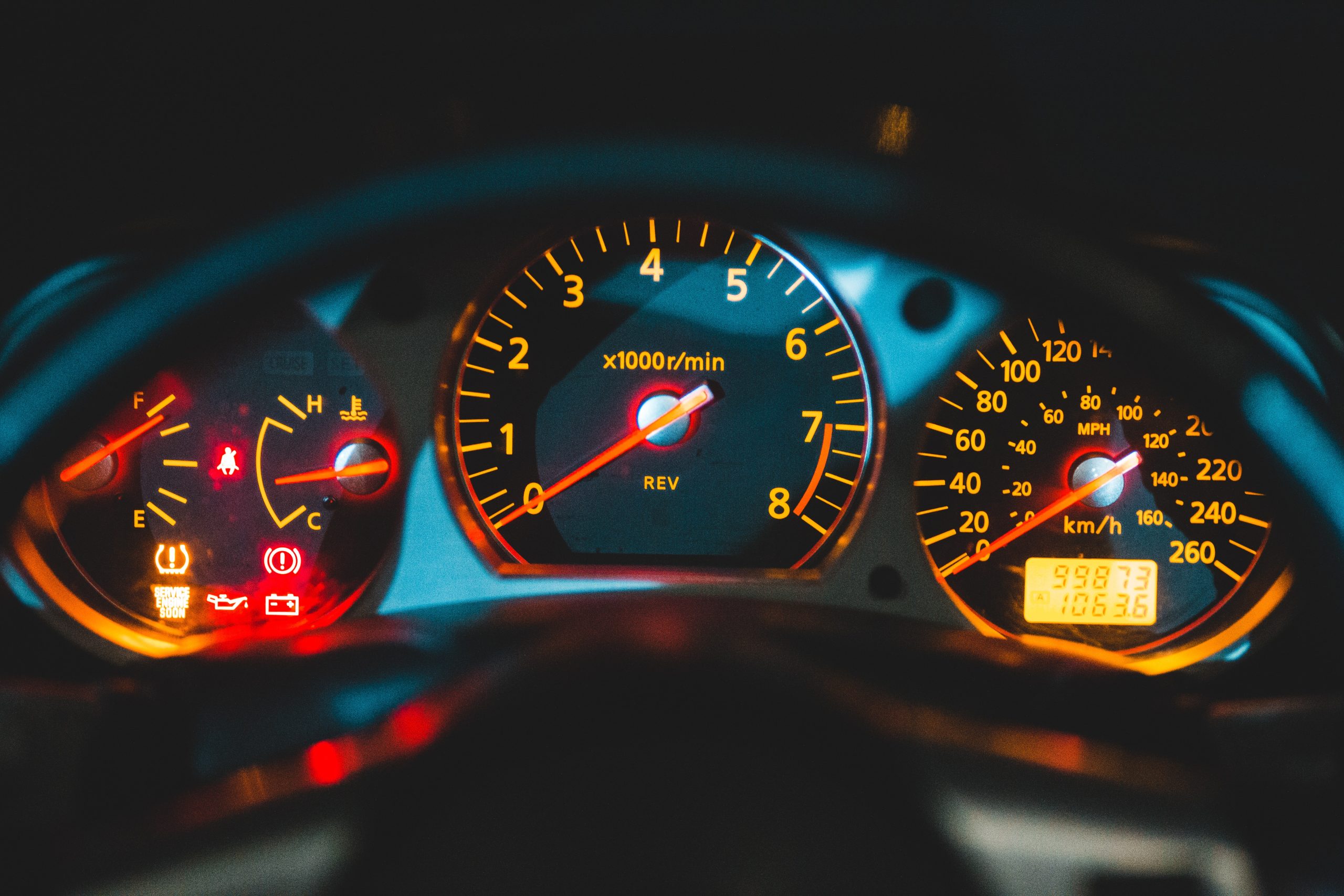
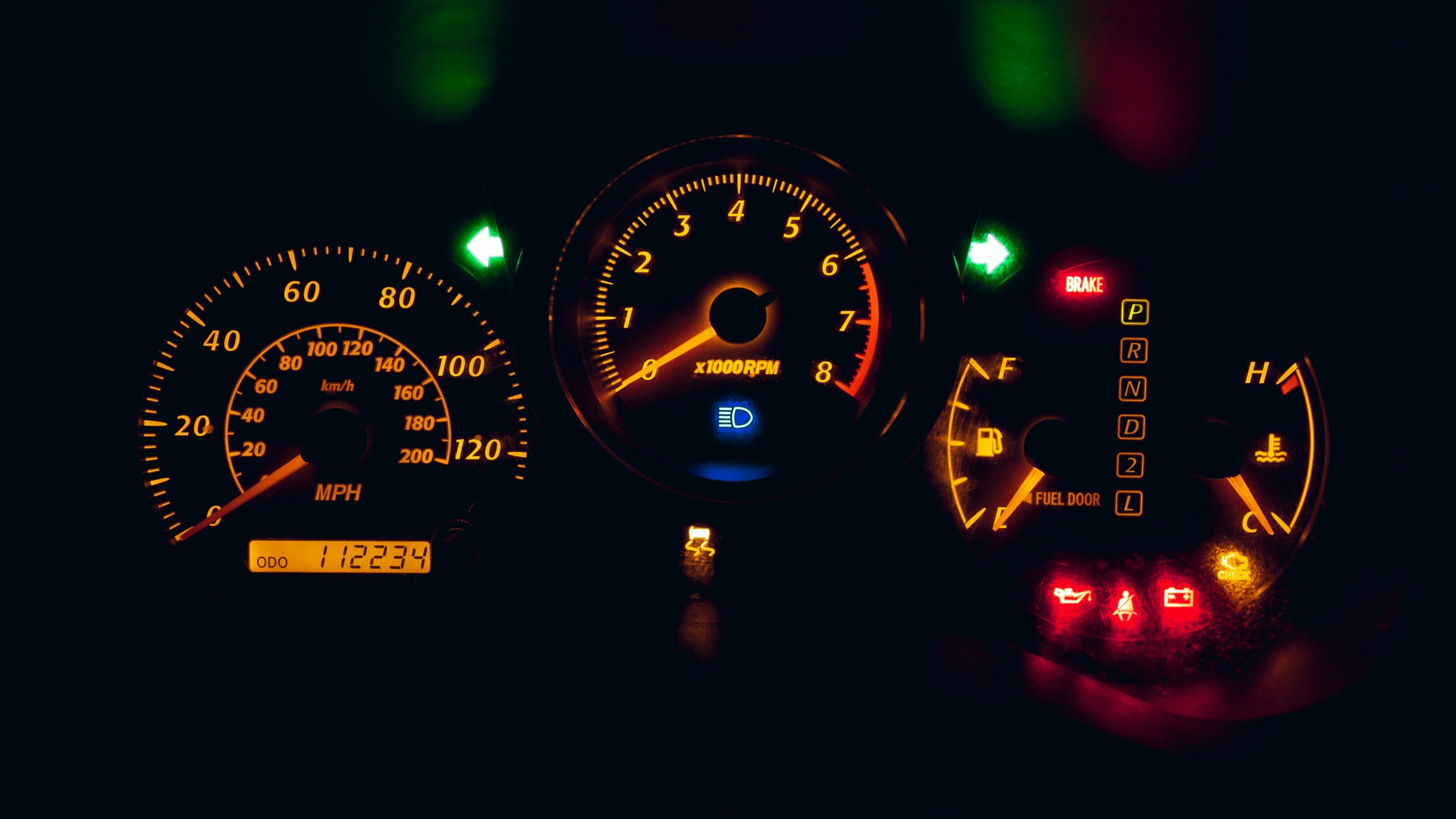
Today’s modern cars are packed with electronics and sensors, but do you know what your car dashboard warning lights mean? Knowing what they indicate could help you avoid a vehicle breakdown. A warning light coming on does imply that something is wrong. If you choose to ignore a light, you might find a minor problem develops into a potentially dangerous situation. We understand that when a light does come on, it can be quite daunting. The latest article from K&M Citroen goes through some of the most common warning lights, so that you know what steps you need to take.
Red, amber, green – the traffic light warning system
Car dashboard warning lights operate to a traffic light colour warning system with red, amber and green lights. The colour of the lights highlights how serious the problem could be. These lights may come on briefly when you start the engine. However, if one or more lights remain illuminated or a light comes on whilst you are driving, attention is needed.
- Red denotes immediate action is required – a serious and potentially dangerous problem – stop driving immediately, or when it is safe to do so
- Amber signals something needs checking as soon as possible
- Green means the system is working correctly
Major car dashboard warning lights
- Engine Management
- Brake Warning
- Oil Pressure
- Battery Warning
- Power steering
- Cooling system
Engine Management lights can signal a minor to a major problem
The engine management light (EML) is one of the major car dashboard warning lights and is a general signal which can be triggered for a number of reasons. To determine where the fault lies with your car, it will need to be connected to diagnostic equipment. The fault could just be minor or it could be a major technical problem. The most common problems associated with this light coming on are ignition, loose fuel cap, blocked fuel pump, damaged catalytic converter or blocked diesel particulate filter. When this light is illuminated, there may be other telltale signs, such as a lack of power or stuttering as you press the accelerator. It is important to note that since 2018 new MOT rules were introduced whereby if a car is showing an illuminated engine management light, it will be an automatic MOT fail.

Brake warning light may mean your brakes may not function properly
This is also known as the brake system warning light, brake warning light, or brake fluid warning light. It may be an indication that the brake fluid level is low. If you find the ABS warning light is also illuminated, this tends to signify that the braking system has malfunctioned and your brakes may not work properly. It is inadvisable to continue driving, as brakes are a very important safety feature. However, if it would be unsafe to stop, travel at a low speed and avoid braking if possible. Call for breakdown assistance or drive slowly to your local garage.
Oil warning light signifies oil temperature and/or oil pressure is too high/low
This car dashboard warning light is also known as low engine, or low oil pressure light. This illuminates when the oil temperature gets too high or the oil level or pressure is too low. If this happens stop as soon as possible, when it is safe to do so. You can check for possible oil leaks, check oil levels and top up where necessary. Again there could be a number of reasons for this happening including a faulty oil pump. If the warning light continues to be on when the oil level is correct, there is a problem with the oil supply. That could be caused by the oil pump or a blocked oil filter. It’s important to note that your car engine needs the right oil pressure to stay lubricated, otherwise it will become damaged. Drive to your local garage as soon as possible, where they will be able to check out the fault.
Battery warning light may indicate a problem with the alternator
If this illuminates, it tends to indicate that the battery isn’t charging. There could also be a problem with the wiring, the alternator or the alternator drive belt. You will be able to drive your car until the battery is dead. However, once the battery is drained, your car will not operate.
Power steering car dashboard warning lights – investigate the cause
The steering will become very heavy and it is advisable to stop as soon as possible. It indicates that the power steering system has failed and prompts you to investigate the cause. The reason will vary depending on the type of power steering system in your car, for example, hydraulic power steering systems, or electronic power steering (EPS) systems. If this happens, pull over once it is safe and investigate. Check the fluid level in a hydraulic system and top up if necessary as indicated in the car manual. Remember that a low fluid level is often a result of a leak in the system and should be evaluated by your local garage as soon as possible. If your car operates with an electronic system, try turning your car engine off and on again. If this fails to work, check that all the connections to your car’s battery are correct and undamaged.
Coolant warning light could indicate a loss of coolant or a faulty sensor
There are several factors that could cause this, but the most likely is the loss of coolant or a fault with the sensor. Your car may lose coolant due to a split hose or a hole in the radiator. Check the coolant tank to see if there is any sign of a leak and top up if necessary. The tank has maximum and minimum levels. Do not open the cap when the engine is hot.
Routine car maintenance
- Washer fluid – always keep levels topped up
- Fuel warning – fill up with petrol to avoid a breakdown
- Tyre Pressure monitor – on modern cars to indicate under inflated tyres
How can K&M Citroen help if car dashboard warning lights illuminate?
If a warning light does come on, we hope that you now know how to respond to the major ones which we have covered in this article. Every warning light requires you as a driver to take some type of action. The severity of the problem is indicated by the colour of the light. Our trained vehicle mechanics are here to carry out any repairs that are required on your car. We regularly attend to the faults as described above. Call us on 01892 653131.


© K & M Citroen & Peugeot - 2026
